
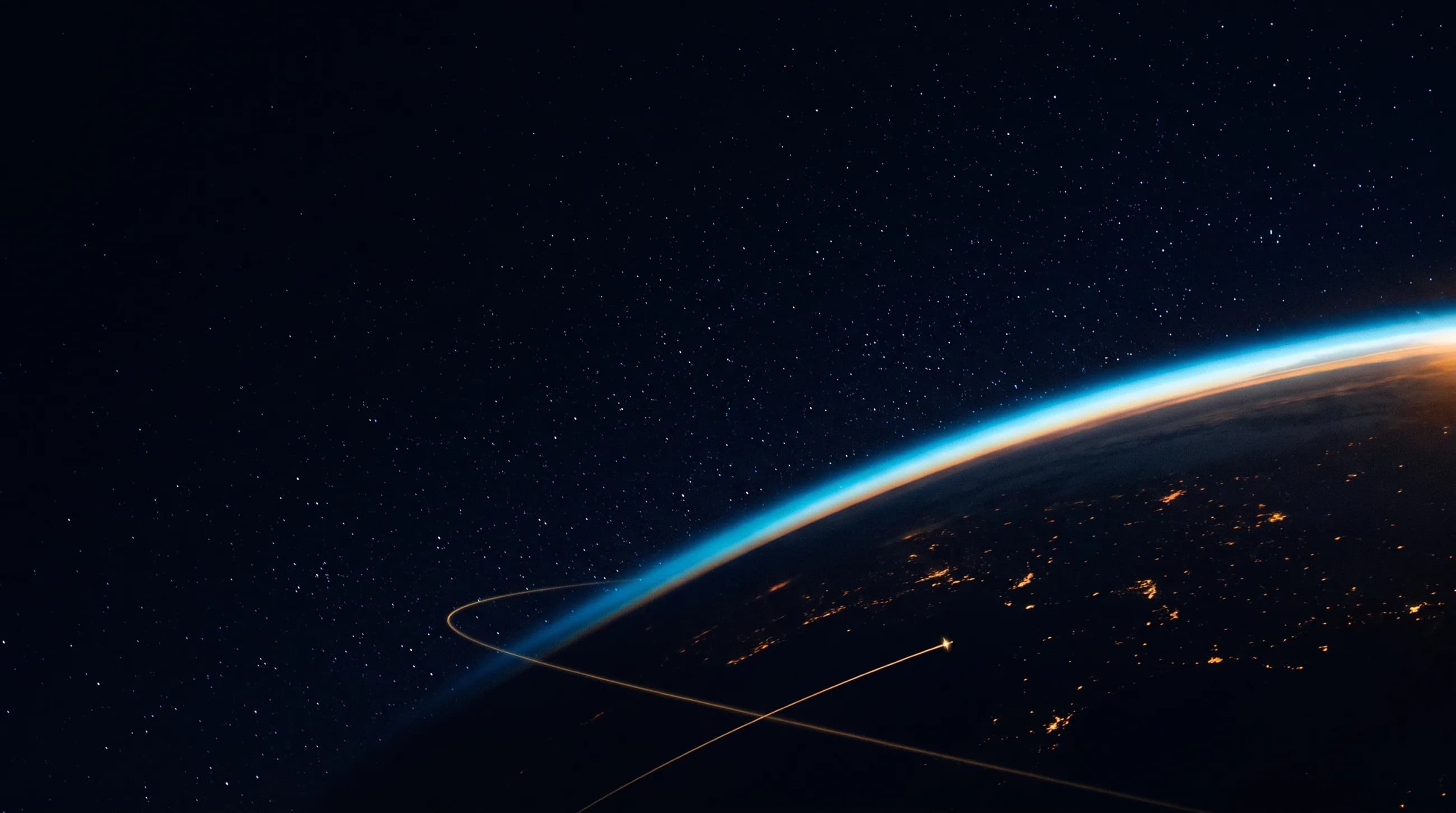
Look up.
We did the math.
Track the space station overhead, plan tonight’s sky, follow every launch, and travel the solar system in 3D. Free. No account, no ads, no trackers.
The sky is not an app category.
It is the oldest thing we all look at. Orbit is a practical guide to what is happening above Earth right now: the station overhead, the launches ahead, and the sky you will actually see after dark. Honest about where every number comes from, and quiet about you.
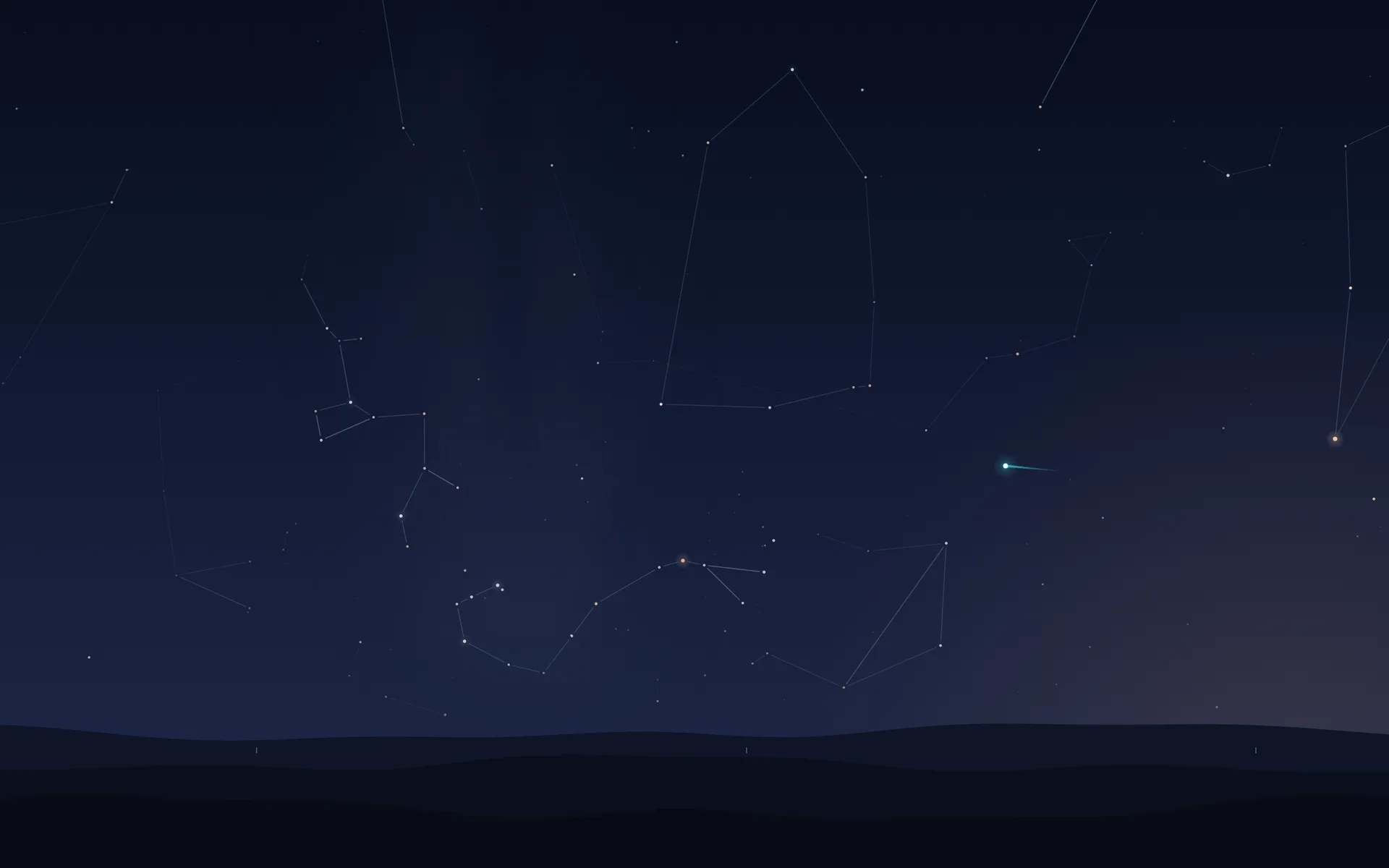
The same sky, on your desktop.
Orbit for Mac turns the desktop into the real sky over your city, redrawn once a minute, and sends the station across it on every visible pass. Tonight’s briefing hangs under a Moon in the menu bar. Under 1% of the processor, no account, no analytics. $6.99, paid once, on the Mac App Store.
What’s happening above you, this minute.
See the International Space Station where it actually is right now, travelling near seventeen thousand miles an hour, a full lap of Earth every ninety minutes. Read who is living in orbit today, check the Sun’s temper with space-weather data from NOAA, and get a plain-language summary of what your own sky holds after dark. Every figure is labelled Live, Cached, or Sample, so you always know exactly what you are looking at.
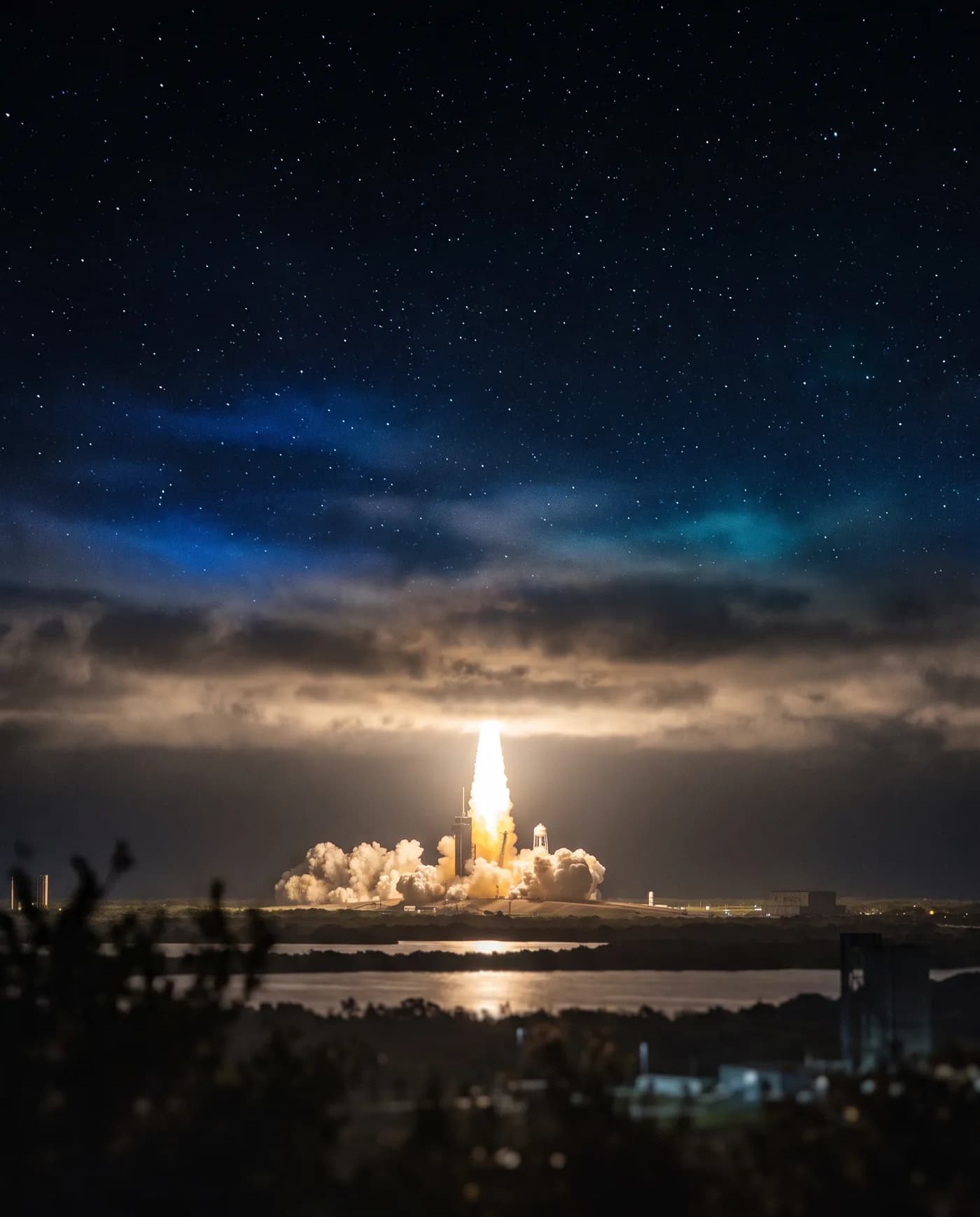
The countdown, in your time zone.
Every upcoming rocket launch, translated to the clock on your wall. Watch the numbers fall, open the live webcast when the moment comes, and set a quiet local reminder so you never miss an ignition. The reminder lives on your phone. No push server, nothing leaves the device. The schedule comes from The Space Devs’ open Launch Library.
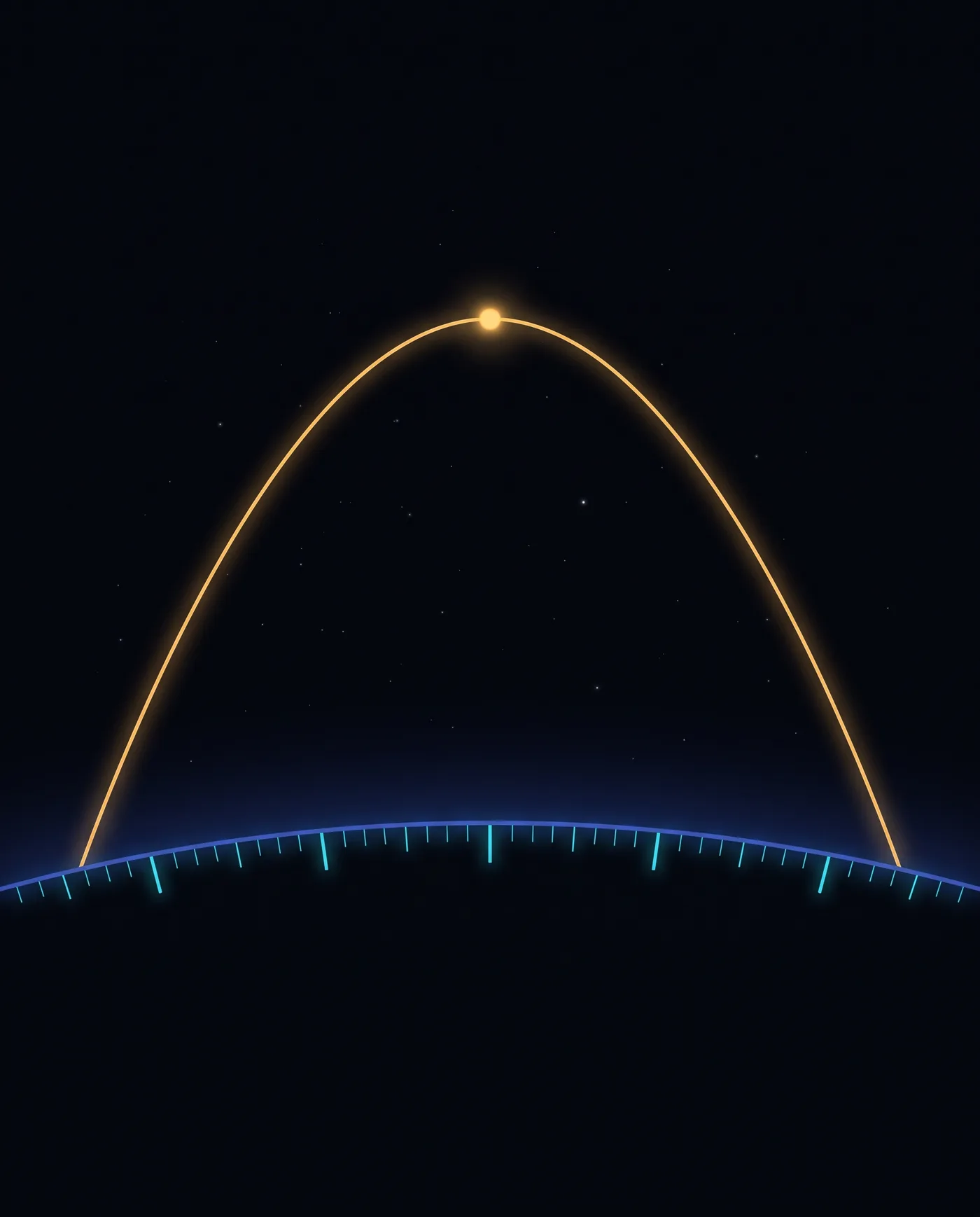
When the station will cross your sky, and where to look.
The ISS is the brightest object people have ever put in the night, brighter than any star or planet, but only for a few minutes at a time. Orbit computes the exact passes for your precise location, rates how good each one will be, and tells you which way to face. The calculation happens on your device, not on a server.
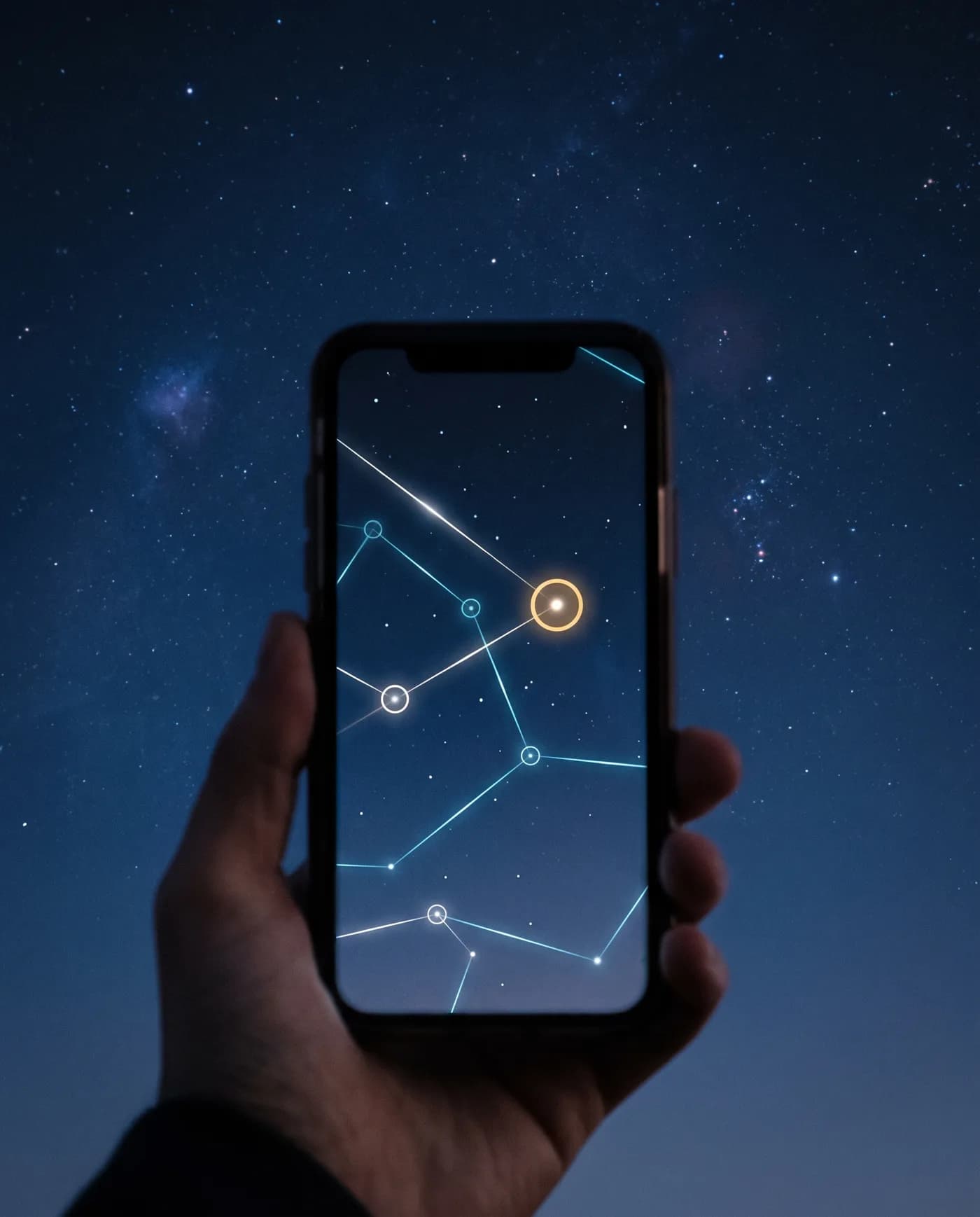
Hold your phone to the sky. It answers.
Point upward and Orbit names what you are seeing: stars, planets, the Moon, the Sun, the passing space station. Switch on the optional camera view to lay them over the real sky. That camera feed is never recorded and never leaves your phone.
The solar system, and a dial for time.
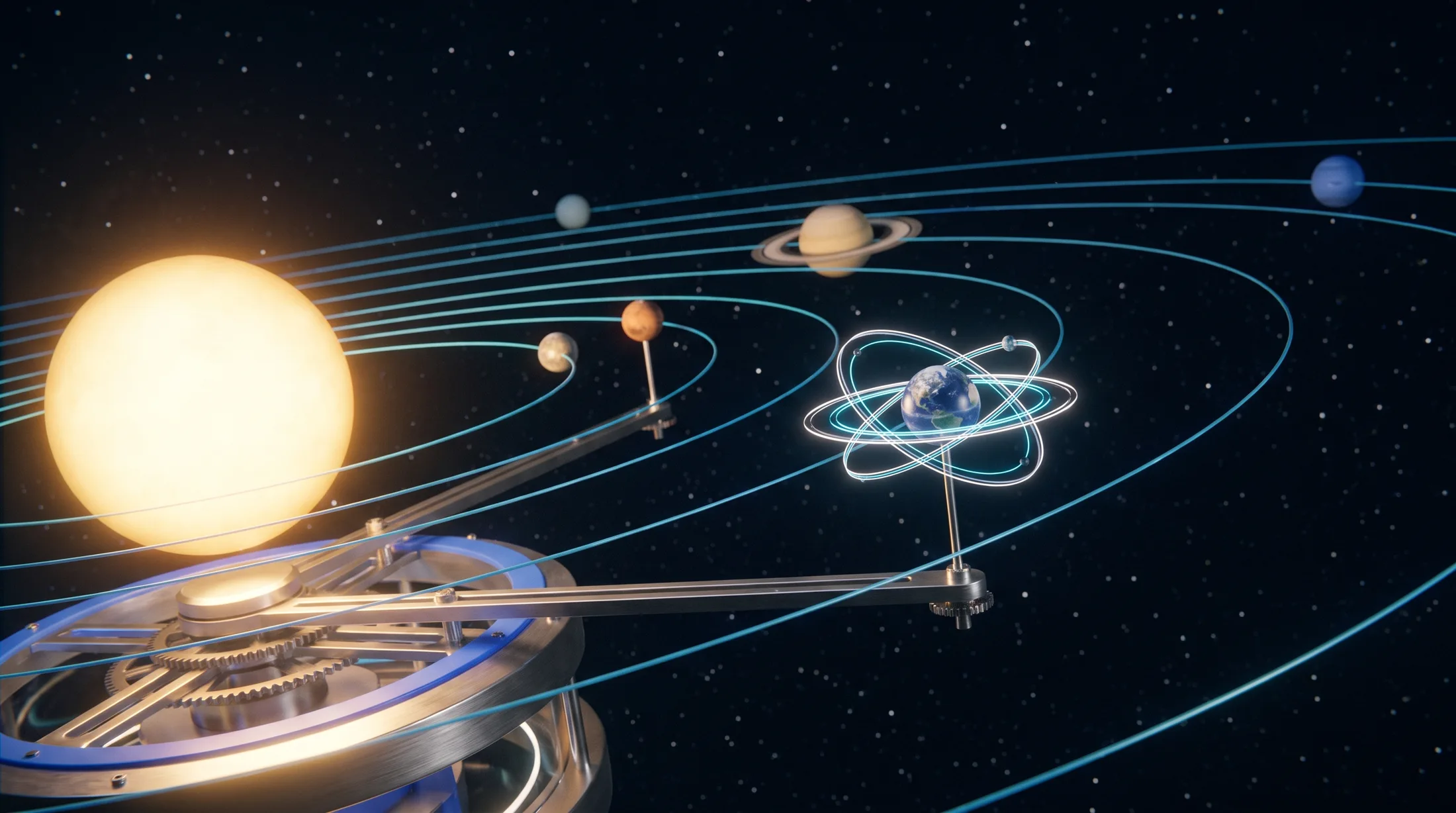
Fly through an interactive three-dimensional solar system built on real orbital mechanics: SGP4 propagation, the same model used to track satellites from live data. Then take the Time Machine and scrub the whole clockwork from 1800 to 2050, and watch the planets keep their appointments.
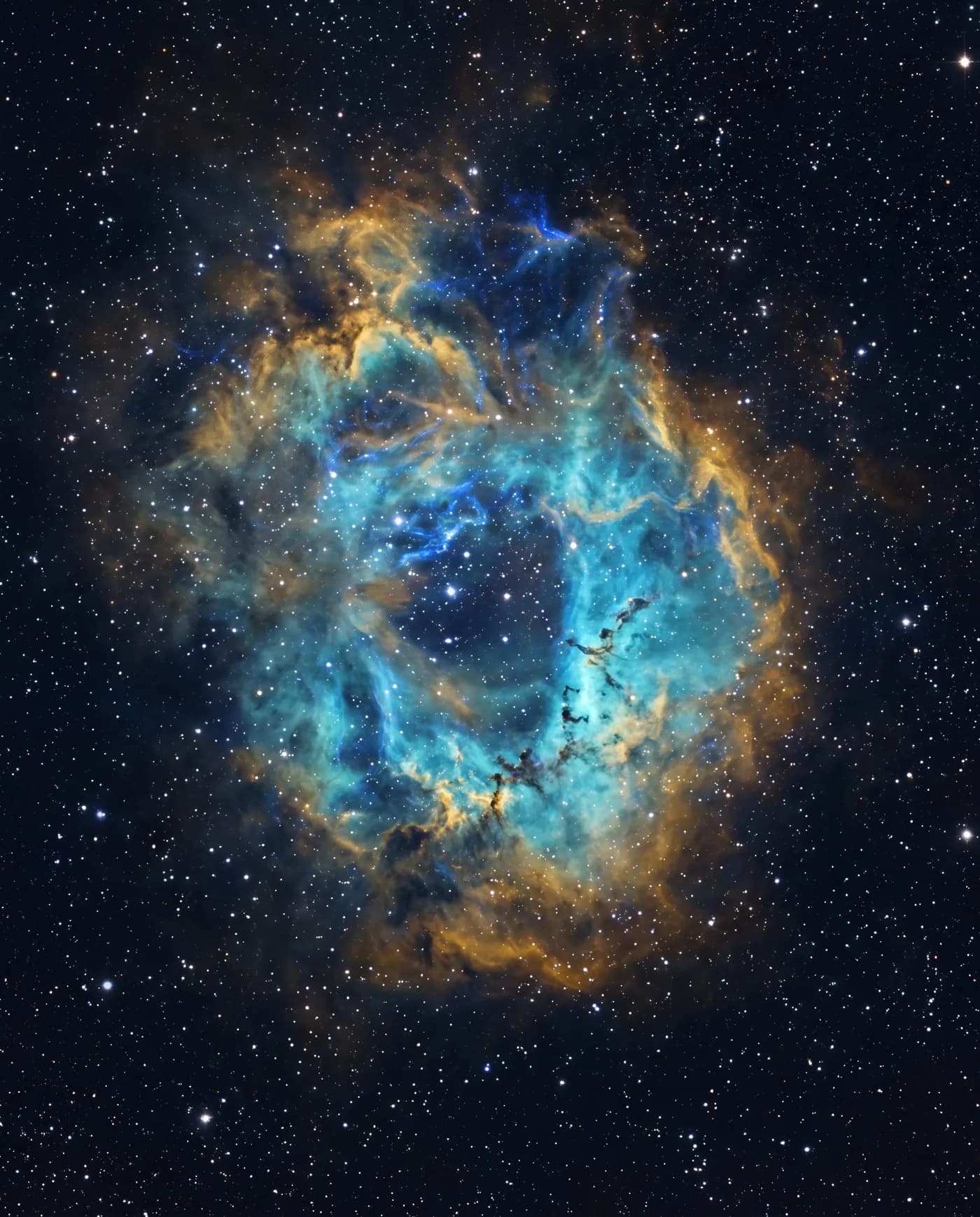
A new photograph of the universe, every day.
NASA has published one astronomy picture a day, with a short explanation written by working astronomers, since 1995. More than eleven thousand so far. Orbit brings you today’s, beside the near-Earth asteroids making their closest pass this week. The good news, straight from NASA’s trackers: none of them are coming for us.
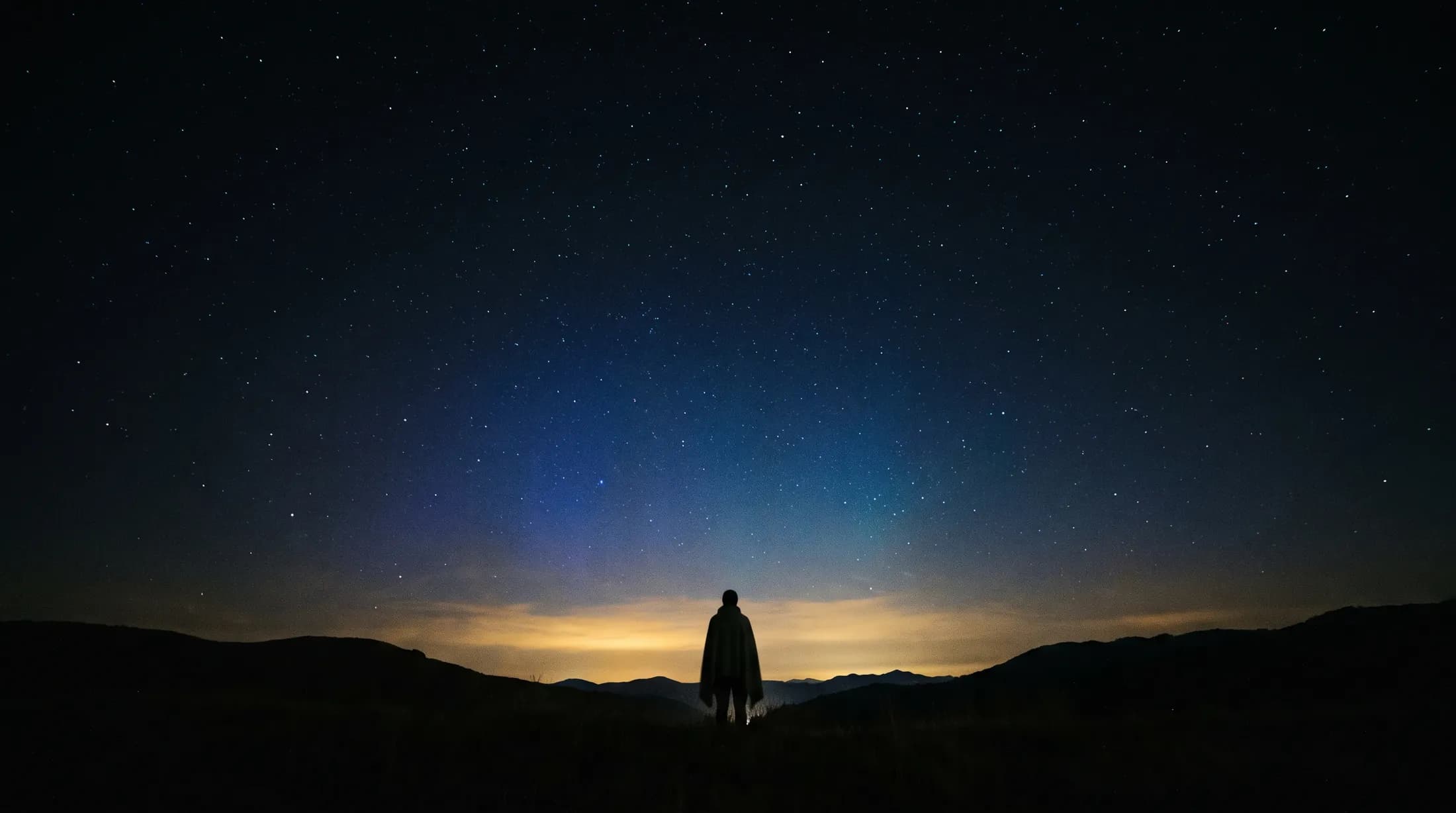
We built Orbit to watch the sky, not you.
Four promises, every one verifiable. Google Play’s own Data Safety card reads: no data collected.
Every network result is marked Live, Cached, Stale, or Sample. When we don’t know, we tell you.
Pass predictions and orbits are computed locally. No background location, ever.
No account, no ads, no analytics tracker, no push server. The camera is never recorded or uploaded.
Any notifications are optional, scheduled locally by Android, and yours to inspect or cancel.
Powered by the same feeds the professionals use.
Orbit runs on the NASA, NASA/JPL, NOAA, CelesTrak, and Space Devs data that observatories and mission-watchers rely on. In this field, provenance is the proof. It is built by Mad Max Labs, the independent studio of Syed Zaid, for anyone who has ever stopped on a pavement to look up.
Know the sky before you look up.
- A live sky wallpaper for Mac that follows your citySee Orbit's Mac sky wallpaper in action: choose a city, preview an ISS pass, open the menu bar briefing and understand what the desktop does between updates.
- A quick tour of Orbit on Android, and where to go after itWatch Orbit's real Android demo, then learn where to find the ISS, explore planets in 3D, move through time and check a rocket launch before heading outside.
- Does live wallpaper drain battery on a MacBook?A video wallpaper works on every frame it plays. Mine draws one picture of the sky a minute. Measured CPU and memory, and how to check any app yourself.
- Dynamic wallpaper not changing on your Mac? 8 things to check, in orderMac dynamic wallpaper not changing or moving? Set the menu to Dynamic, then check Location Services, your time zone and Appearance, on Tahoe and macOS 27.
- Earliest sunset of the year 2026, and why it comes before the shortest dayEarliest sunset of the year 2026: 4:28 PM on 7 December in New York, 3:51 PM on 12 December in London, and why it falls before the year's shortest day.
- Free night sky wallpapers for Mac: eight 5K skies, from Orion to a supermoonFree night sky wallpapers for Mac and MacBook in 5K, each a real sky on a real date: Orion over New York, a supermoon, the Southern Cross and the ISS.
- Geminids 2026: the best night to watch, and when the Moon sets in 13 citiesThe Geminids peak on 14 December 2026 at 14:00 UT (7:30 PM in India) under a crescent Moon that sets early. The best night and moonset times for 13 cities.
- How do I know if I saw the ISS? Eight signs, and how to look up the passHow to know if you saw the ISS: a steady light, no blinking, a few minutes to cross. How to look up the pass, and rule out planes, Starlink and Tiangong.
- How my first Mac app got through App Review, Guideline 2.1 letter and allApple sent my first Mac app a Guideline 2.1 Information Needed letter. I answered the same day with a screen recording; it was approved five days later.
- How my Mac live wallpaper idles at 0.04% CPUMy live wallpaper idles at 0.04% CPU on a Mac. How it draws one picture of the sky a minute, stops when you can't see it, and what ate its memory instead.
- How to find Orion and its belt, with times for 13 citiesHow to find Orion: its belt is three stars in a short, straight row, low in the east on November evenings. Times for 13 cities, and why Australia flips it.
- How to find the North Star, and how high Polaris sits over your cityFind the North Star from the Big Dipper or Cassiopeia's W. It stands about as high as your latitude: 52° in London, 41° in New York, 13° in Bengaluru.
- How to get a live wallpaper on a Mac: what moves, and what it costsHow to get a live wallpaper on a Mac, free or paid: Apple's aerials, video apps, Plash for GIFs and the real sky over your city, with what each one costs.
- How to get a live wallpaper on a MacBook Neo without eating its 8 GBYes, a MacBook Neo can run a live wallpaper. Which kinds go easy on its 8 GB, the free ones Apple ships, the 2408 by 1506 size, and what my app weighs.
- How to get ISS pass alerts on a Mac, now that NASA's space station emails are goneNASA stopped Spot the Station's email and text alerts on 12 June 2025. Here's how to get ISS pass alerts now, on your phone or right on your Mac's desktop.
- How to put the Moon phase in your Mac menu bar (or a widget)Six apps put the Moon phase in a Mac or MacBook menu bar, from free to $6.99. Also: how to add a Moon widget, what Weather shows, and 2026's full moons.
- How to see the ISS from India: when, which way to face and how high to lookThe ISS shows up over India in short runs at dawn and dusk. How to get the times for your city, which way to face, how high to look and why cities differ.
- Is the ISS coming down? Yes, on purpose, after it retires in 2030Yes, the ISS is coming down, on purpose: NASA plans to retire it in 2030 and sink it in the South Pacific. Why it can't stay up, and how to see it first.
- Leonid meteor shower 2026: the best night and hours to watch, city by cityThe Leonid meteor shower peaks on 17 to 18 November 2026. The half Moon sets near midnight, so the hours before dawn are dark. Best times for 10 cities.
- Living with the real night sky as my Mac wallpaperMy Mac's wallpaper is the real night sky over the city I pick, redrawn every minute. What living with it is like, and why Bengaluru sees more sky than LA.
- Mac apps without a subscription: 14 you can buy onceMac apps without a subscription: 14 you can buy once in 2026, from Magnet at $4.99 to BBEdit at $59.99, with update terms where the seller states them.
- Mars and Jupiter conjunction, November 2026: what time to look in your cityMars and Jupiter conjunction: 1.2 degrees apart before dawn, 15 and 16 November 2026. Times for New York, London, Bengaluru and Sydney, and which is which.
- Quadrantid meteor shower 2027: when to look in 16 cities, India includedThe Quadrantids peak on 4 January 2027 at 03:25 UT, for only a few hours, under a thin crescent Moon. When and where to look in 16 cities, India included.
- Supermoons in November and December 2026: the Beaver Moon and the Cold MoonTwo supermoons end 2026: the Beaver Moon on 24 November and the Cold Moon on 23 to 24 December, the year's closest full Moon. Moonrise times for 8 cities.
- The best astronomy apps for Mac in 2026, and which ones are iPad appsThe best astronomy apps for Mac in October 2026: Stellarium, Night Sky, SkySafari, Starry Night 8 and more, with US prices and which ones are iPad apps.
- What is the bright star in the east before sunrise? Late 2026, date by dateThe bright star in the east before sunrise is Jupiter, then Venus from early November 2026. Where to look and how high, for New York, London and Bengaluru.
- Why the ISS is only visible at dawn and duskWe wrote the code that decides when the ISS is visible. The three tests it runs, the geometry of Earth's shadow, and 30 days of real passes over Bengaluru.
Questions, answered.
Is the space station visible tonight?
Open Orbit and it computes tonight’s passes for your exact location, with a quality rating and the direction to face.
Can I see the ISS without a telescope?
Yes. It is the brightest object people have ever put in the sky, plainly visible to the naked eye for a few minutes after dusk or before dawn.
Is Orbit really free?
Yes. No ads, no account, and no in-app purchases.
What data does Orbit collect?
None. Sky and pass calculations run on your device, and Google Play’s Data Safety card reads “no data collected.”
Where does the data come from?
Public feeds professionals trust: NASA Open APIs, NASA/JPL Solar System Dynamics, NOAA’s Space Weather Prediction Center, CelesTrak, and The Space Devs’ Launch Library.
Does the AR camera record anything?
No. The camera view is live only, never recorded, and never uploaded.
How accurate are the ISS passes?
They are computed on your device with SGP4 from recent orbital data and refreshed each time you open the app. A precise viewing aid, not a navigation instrument.
Which devices are supported?
This Orbit is an Android app. Orbit for Mac, a separate app on the Mac App Store, puts the same sky on a Mac’s desktop.
Your sky. Right now.
The next pass is already on its way. Free. No account. No ads. No trackers. Install Orbit, step outside tonight, and know exactly where to look.